
San Patricio County Criminal History Checks
San Patricio County does not offer one official search that merges police reports, jail bookings, felony and misdemeanor files, city citations, warrants, and Texas DPS history. Begin with the question the record must answer. A police report explains what officers documented. A booking file confirms intake. The court clerk shows what charge was filed and how it ended. DPS supplies the statewide public conviction and deferred-adjudication slice. This purpose-first route is slower than a single search box, but it keeps unlike records from being mistaken for each other.
Gather the full legal name, spelling variants, birth date when lawfully available, event date, city, arresting agency, and cause or report number. Then follow the channel that fits the event:
- Identify whether the event began with the sheriff, a city police department, or another Texas agency.
- Ask the correct clerk for the filed case, using the cause number when known and an approximate date when it is not.
- Check city court separately for fine-only Class C or ordinance matters that may never enter a county search.
- Use the DPS public product for reported statewide convictions and deferred adjudications, then compare identity details carefully.
- Order a certified judgment or disposition from the issuing clerk when an official copy is needed.
San Patricio County Records in Sinton
Sinton is the physical hub for San Patricio County criminal records. The San Patricio County Courthouse at 400 W. Sinton Street routes district and county court business. The county switchboard is 361-364-9300, and posted county hours are Monday through Friday, 8:00 a.m. to 5:00 p.m. The District Clerk’s Records Department can be reached at 361-364-9385 for felony files and copy costs.
The Sheriff’s Office and jail sit nearby at 300 N. Rachal, Sinton, Texas 78387. Call 361-364-9600 for current county custody, sheriff-created reports, or the proper delivery route for a written public-information request. A Portland, Ingleside, or Sinton police report stays with that city department, even if the person was later booked into the county jail.
District Clerk Records
400 W. Sinton St., Sinton, TX 78387
361-364-9385
Mail: P.O. Box 1084, Sinton, TX 78387
Sheriff and County Jail
300 N. Rachal, Sinton, TX 78387
361-364-9600
Fax: 361-364-6110
Official Background Checks in Texas
The Texas Department of Public Safety Crime Records Division runs two distinct paths. Its public name search shows reported Texas conviction and deferred-adjudication information. It is not a positive identity match. DPS warns that a name search may return a different person or miss the intended record. For a review of one’s own Texas history tied to fingerprints, DPS uses Fingerprint Applicant Services of Texas, scheduled through IdentoGO by IDEMIA.
The DPS conviction-search help page explains accounts, credits, previews, and name-match limits.
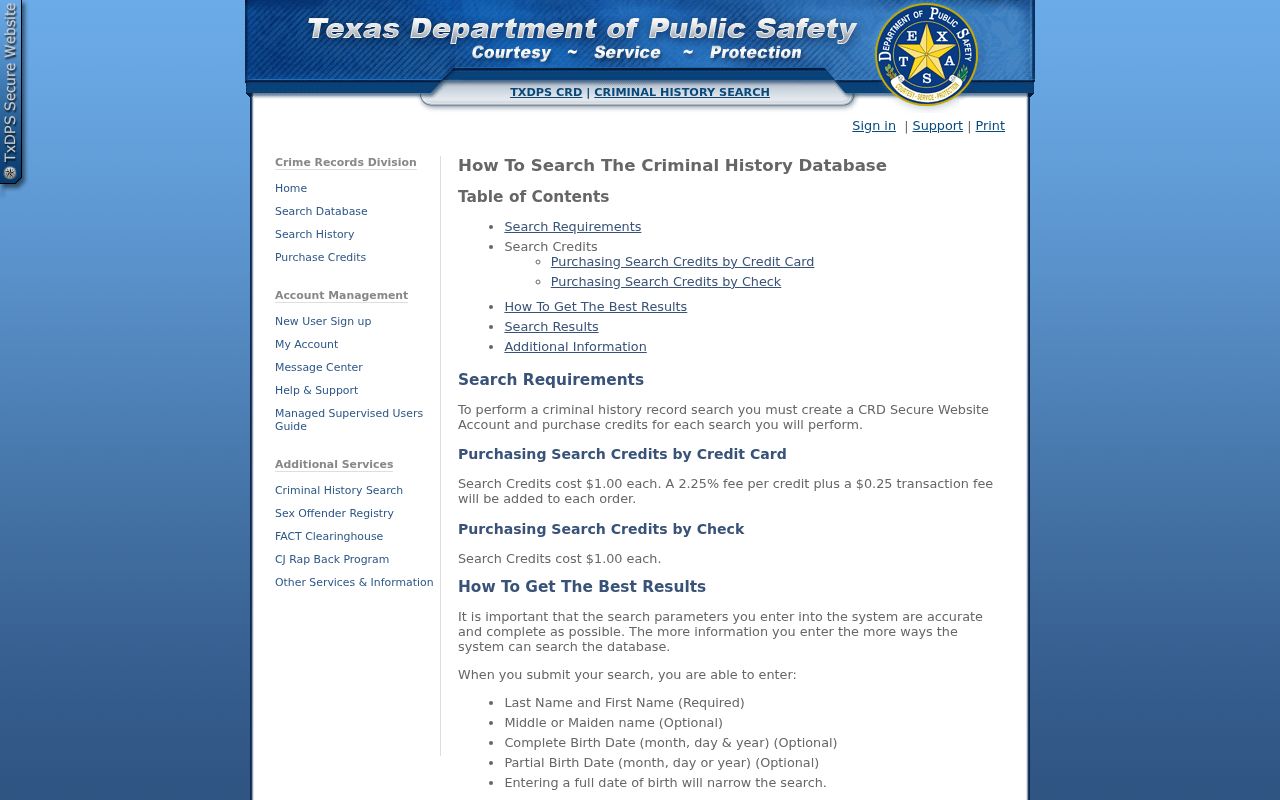
The preview step matters because opening a complete record spends a credit, while descriptive details can help rule out a bad match first.
| Channel | Published cost | Best fit |
|---|---|---|
| DPS public name search | $1 credit per full opened record; card surcharge | Reported Texas convictions and deferred adjudications |
| DPS offline name check | $10 | Offline DPS name request |
| DPS fingerprint review | $15 plus $10 FAST fingerprinting | One’s own positively linked Texas record |
| District Clerk copies | $5 search if cause number is unknown; $1 per page | Local filed case and certified court proof |
San Patricio County Fingerprint Record Review
For self-review, schedule the DPS FAST service through the live IdentoGO enrollment site or call 1-888-467-2080. Use the correct DPS service process before fingerprints are taken. The research did not confirm a county-specific enrollment address, so the live locator is safer than relying on an assumed retail site.
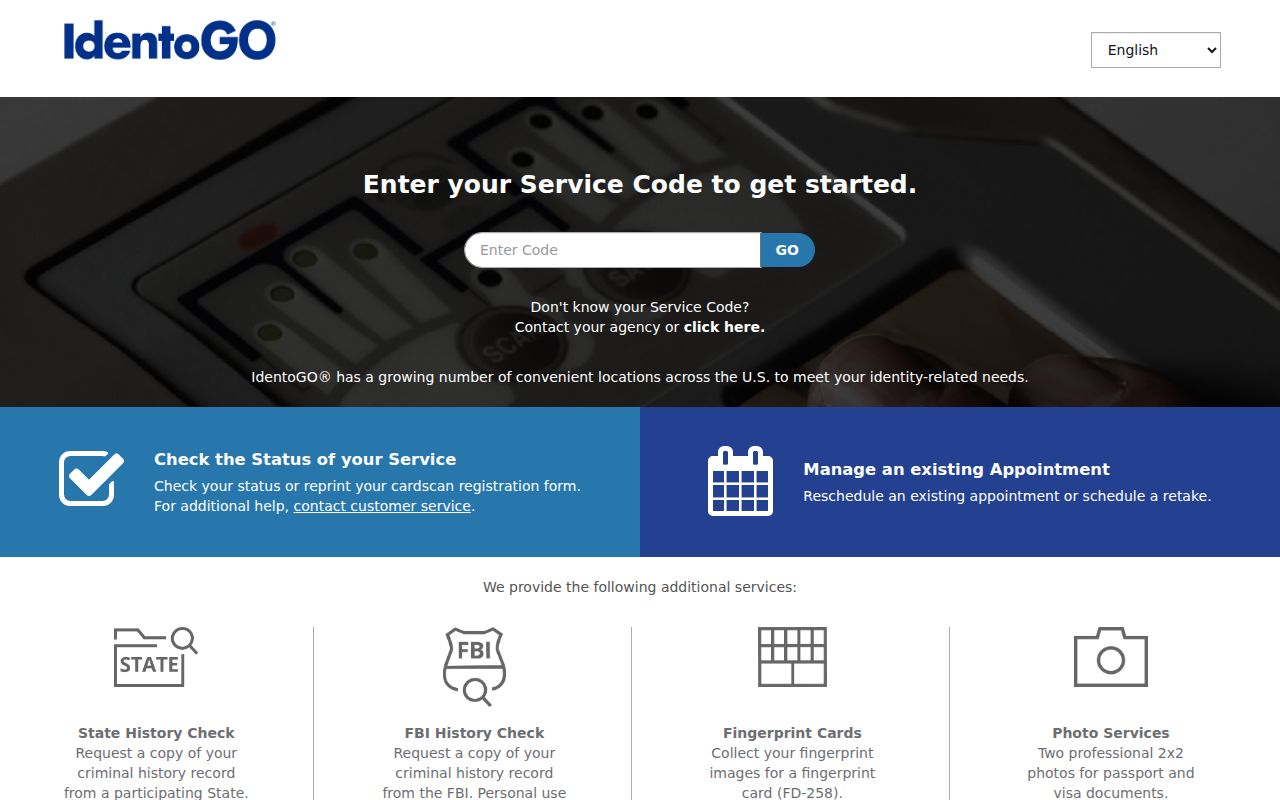
This fingerprint route serves a different purpose from the public name tool. It links the requester’s prints to Texas history, which is essential when common names or similar birth details make a San Patricio County name result uncertain.
The FBI also permits people to request their own national Identity History Summary. The FBI electronic request portal begins that subject-only process.
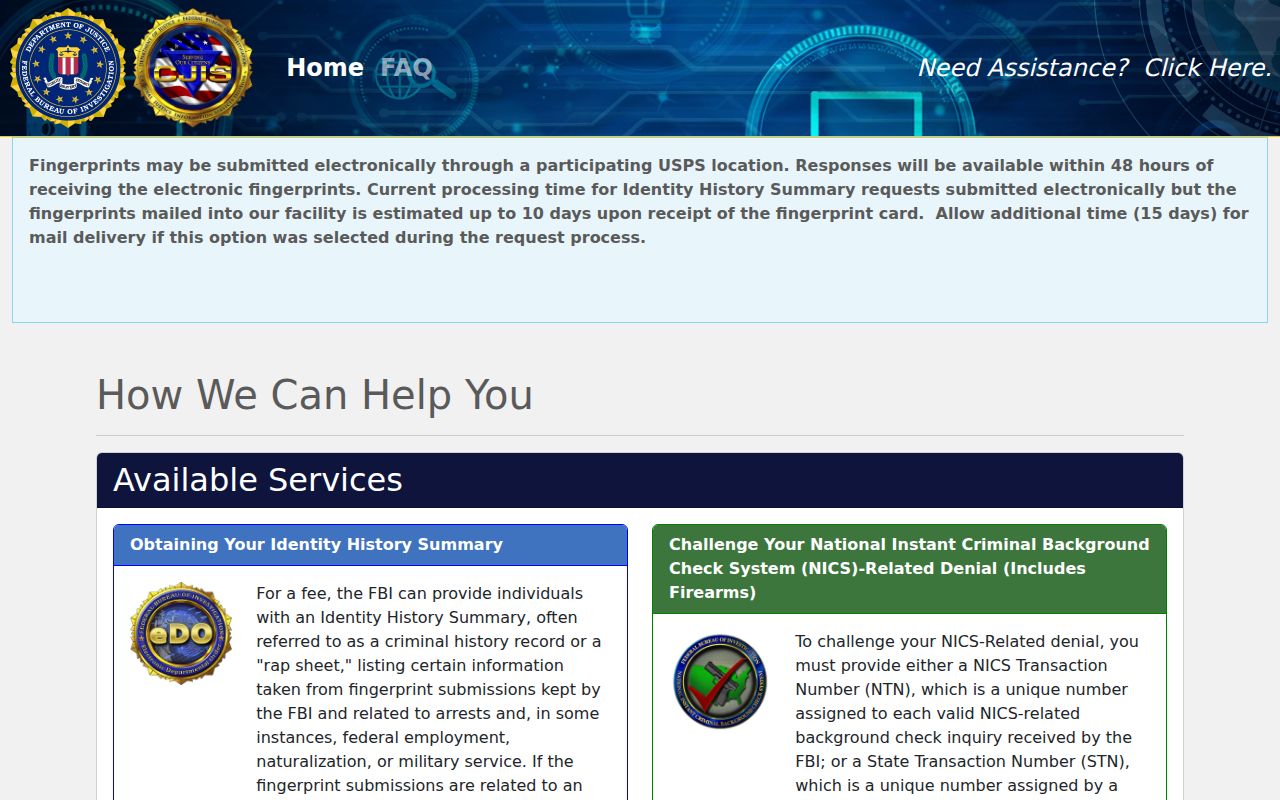
An FBI summary is not a substitute for a clerk-certified San Patricio County judgment. It is another layer for the person reviewing their own identity history.
Kinds of Criminal Records
One San Patricio County event can produce several official records. The arresting agency writes the incident or arrest report. Jail staff create a separate booking entry. A prosecutor may file a complaint, information, or indictment that differs from the intake charge. The clerk then maintains the case docket, motions, orders, judgment, and sentence. DPS receives qualifying fingerprint-linked events and later prosecution and disposition reports.
- Police or sheriff report: the event narrative and investigative material, subject to lawful redaction.
- Booking record: custody, intake charges, identifiers, bond, and release status, not proof of guilt.
- Court file: the filed charge, hearings, pleas, rulings, outcome, and sentence in that tribunal.
- Warrant or capias: process issued by a court, sometimes held at the municipal or precinct level.
- DPS history: the statewide reported criminal-history cycle, with a narrower public name product.
Choose each San Patricio County record by the fact it can prove. A booking cannot prove a conviction, and a DPS public result cannot replace a certified San Patricio County judgment.
San Patricio County Custody Record Layers
No official county jail roster or daily booking interface was found. For recent or pretrial San Patricio County custody, call the jail and use VINELink through the official sheriff page. VINELink can provide status and notifications when the agency supplies data, but time-sensitive details should still be confirmed with the jail. The sheriff also links a Central Magistrate Stream that operates when court is in session.
After a sentenced person transfers, the right source changes. TDCJ Online Inmate Search covers Texas prison custody, while the Federal Bureau of Prisons locator covers federal prisoners. A federal pretrial detainee may require the federal court or U.S. Marshals channel. This is why a person may disappear from a county-custody check without the underlying case having ended.
The county page does not publish a current visitation vendor, mail format, deposit service, or inmate telephone contractor. Call the jail before sending funds or mail, and confirm the booking identifier, approved channel, and current rules.
Custody path: San Patricio County jail › TDCJ for a state sentence, or the federal custody channel when a federal case applies.
San Patricio County Criminal Records: What They Contain
San Patricio County criminal records identify both the person and the event, but fields vary by custodian. A Texas criminal-history cycle can include aliases, birth data, physical descriptors, state and FBI identifiers, arrest agency, transaction number, charges, prosecutor action, court cause number, disposition, and sentence. Court files add attorneys, judges, hearings, filed documents, and financial entries. Booking files add intake and custody data.
| Name and identifiers | Legal name, aliases, date of birth, physical descriptors, SID or FBI number when held and disclosable. |
|---|---|
| Arrest and booking | Agency, date, intake charges, booking number, bond, holds, custody, and release data. |
| Filed charge | Complaint, information, or indictment with statute and offense level. |
| Case activity | Cause number, court, docket events, hearings, pleas, motions, and orders. |
| Disposition | Conviction, dismissal, acquittal, no-bill, deferred adjudication, or other recorded outcome. |
| Sentence | Custody, fine, restitution, community supervision, and related court terms. |
Protected identifiers and victim or juvenile information may be removed from a public copy. Compare the San Patricio County record’s agency, dates, and identifiers before treating two entries as the same event.
Correcting San Patricio County Criminal History
A missing court outcome in DPS is not fixed by sending a screen capture or a copy from a private database. Begin with a personal record review. Then contact the court that resolved the case and request a certified disposition bearing the court seal. The local District Clerk copy form supports certified or uncertified, whole-file or partial-file orders. DPS directs people to submit certified court proof to its Crime Records Service error-resolution channel. An ordinary photocopy is not enough.
This process also shows why the clerk remains vital. The court owns the authoritative judgment, while DPS compiles reported events. If the source court file itself appears wrong, ask the clerk about the proper correction procedure before sending material elsewhere.
- Disposition
- The recorded way a charge ended.
- No-bill
- A grand jury declined to return an indictment.
- Deferred adjudication
- Supervision without an immediate finding of guilt, subject to the court’s terms.
- Certified disposition
- A court-issued outcome bearing the clerk’s certification or seal.
Texas Public Access Laws
Texas law assigns different access rules to agency reports, adjudicative court files, state criminal-history data, and registry records. A written Texas Public Information Act request should identify an existing document rather than ask an office to create a new explanation. Court case files come from the clerk under court-record law and rules, not through the same route used for ordinary agency records.
Key Texas laws:
Government Code Chapter 552 creates the public-information request path, subject to exceptions.
Government Code Chapter 411 controls criminal-history dissemination and nondisclosure.
Code of Criminal Procedure Chapter 66 governs reporting of qualifying arrest, prosecution, and disposition events.
Code of Criminal Procedure Chapter 55A sets current expunction rights and procedure.
Active investigative details, protected victim data, juvenile material, and confidential identifiers may be withheld or redacted. Basic information about an arrest or crime is treated differently from the protected details of an active case.
San Patricio County Records Reach DPS
For a Class B misdemeanor or more serious event, Texas Code of Criminal Procedure Chapter 66 sets the reporting chain that links local criminal records to DPS. The arresting agency starts an arrest cycle. Fingerprints and a transaction control number tie that cycle to the person. A prosecutor then reports whether the charge was accepted, changed, or rejected, and the responsible court reports the disposition after the case ends. This flow is why a San Patricio County police report, booking record, clerk file, and DPS result can describe the same event without displaying the same fields.
Timing and identity errors can create gaps. A recent arrest may not appear in a public conviction product because there is no reported final outcome yet. A disposition may be late, or identifiers may not align across systems. The correct response is to compare the source records, not guess which system is right. Start with the arresting agency for its report, the jail for booking, and the clerk for the filed case. Then use a DPS personal review and certified court disposition if the statewide cycle needs correction.
San Patricio County city geography adds one more step. An event in Portland or Ingleside may begin with city police, move to the jail in Sinton, proceed in a county or district court, and finish as a DPS history entry. Each custodian answers only for the record it made or maintains.
Historic San Patricio County Court Records
Modern search tools do not mark the start of the San Patricio County record trail. The Texas State Library’s San Patricio inventory lists District Court minutes beginning in 1848, an index covering 1848 through 1922, and filmed minutes through 1896. A nineteenth-century case that does not appear in a current portal may require both a District Clerk inquiry and a check of the state microfilm inventory.
The same caution applies to newer records that were never imaged or migrated. Do not assume a blank portal means no case existed. Ask the clerk which index covers the period, whether a paper or filmed file survives, and what identifying details will narrow the search.
Restricted, Sealed & Expunged Records
San Patricio County files may be restricted by juvenile confidentiality, victim protections, sealed court orders, expunction, or an order of nondisclosure. Texas expunction under current Chapter 55A can direct agencies to return, delete, or destroy covered records as the statute and order require. Nondisclosure limits public release but does not erase the record from every government or criminal-justice use.
Eligibility turns on the arrest episode, each related charge, and the final result. An acquittal, pardon, actual-innocence relief, or some dismissed and no-billed cases may qualify under stated conditions. Deferred adjudication more often points toward nondisclosure. The research found no current local packet or published San Patricio County filing fee, so obtain those details directly from the District Clerk before filing.
After an order is signed, keep certified copies and allow each named agency time to process it. A later DPS personal review and a local clerk inquiry can show whether the order has reached the systems that held the record.
San Patricio County Federal Record Routes
A federal prosecution is not stored as a San Patricio County state-court case. The county lies in the U.S. District Court for the Southern District of Texas, with the proper division confirmed through the federal court. PACER is the official electronic channel for federal dockets and filed documents after registration.
The PACER service center provides account and access information for federal court records.
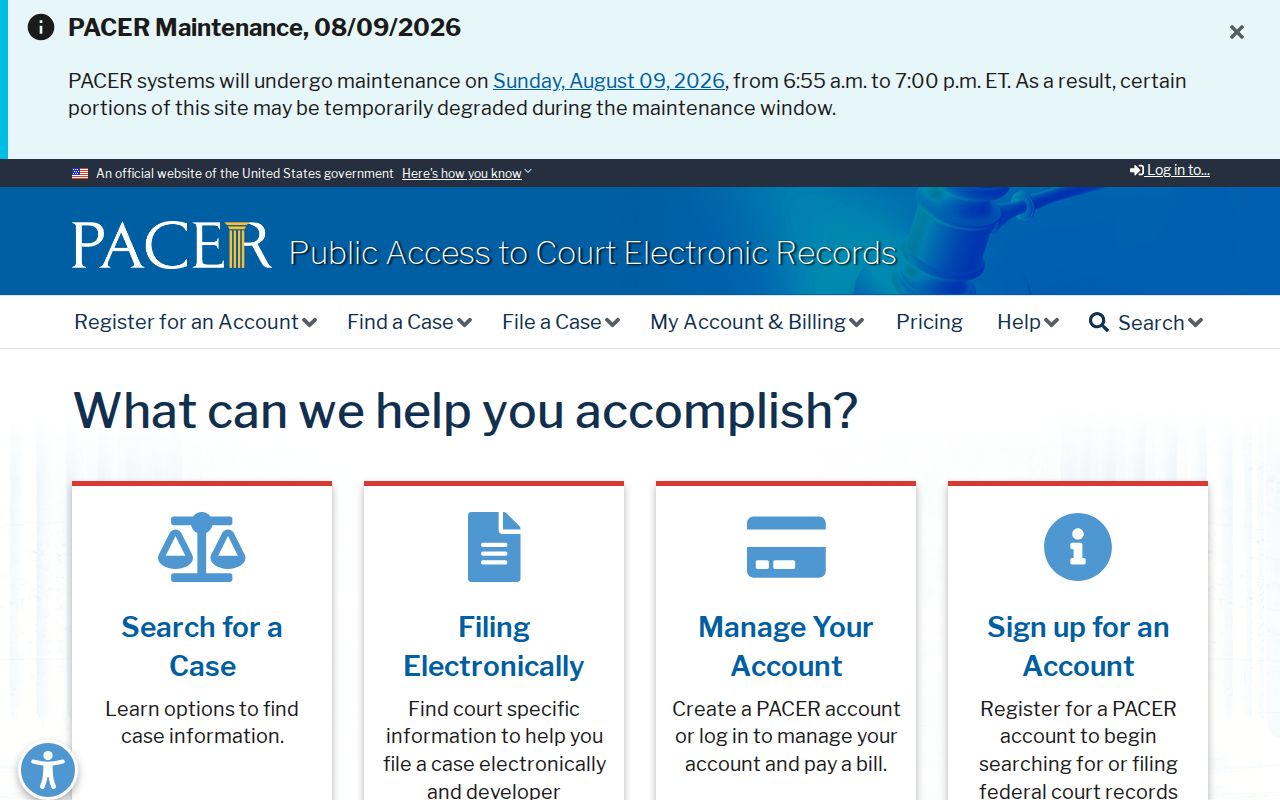
This federal layer should be used only when an actual federal filing exists. A coastal or port-area incident does not become federal merely because federal jurisdiction might be possible.
San Patricio County Supervision Records
Community supervision is managed locally through San Patricio County CSCD. The sentencing order and later motions can appear in the court file, but daily officer notes, testing, and treatment detail are not a public person-search product. For parole, the Texas Board of Pardons and Paroles makes release decisions and the TDCJ Parole Division supervises people after release.
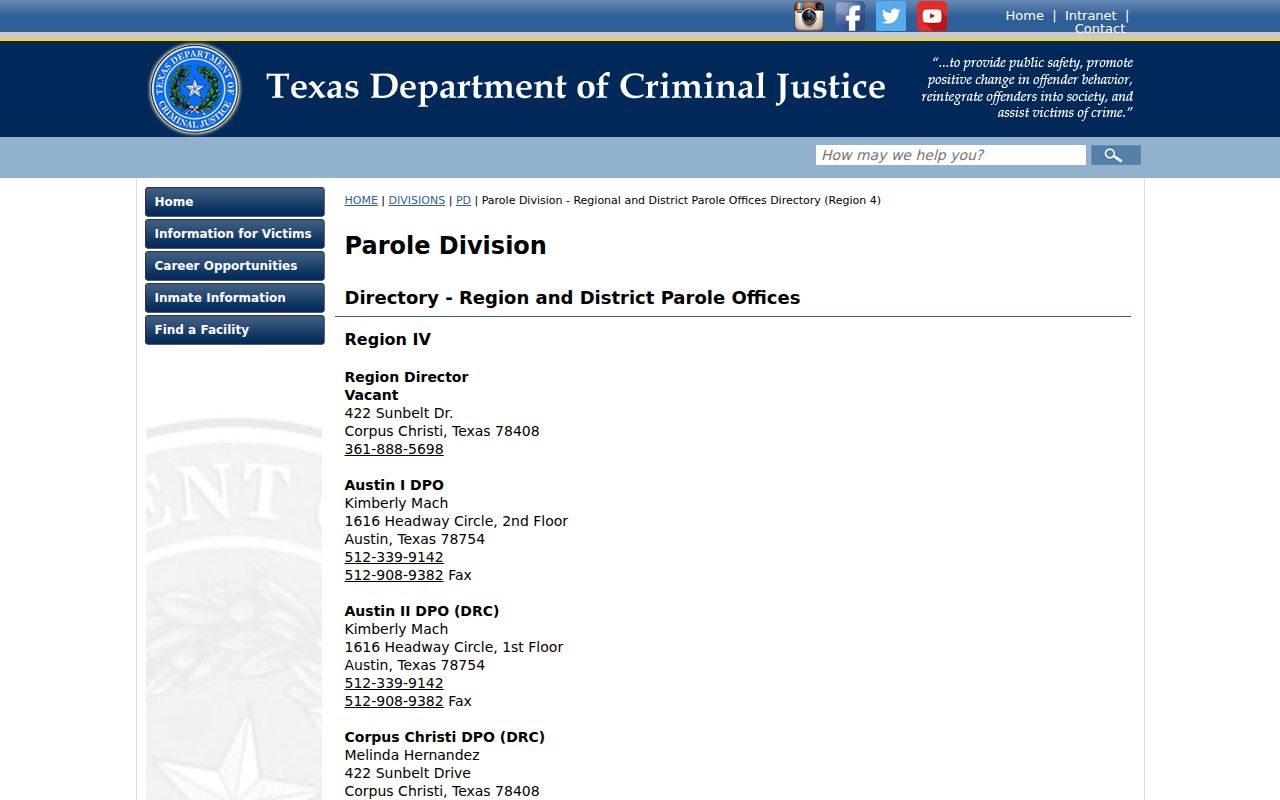
The TDCJ Region IV parole directory lists the Corpus Christi District Parole Office at 422 Sunbelt Drive, Corpus Christi, Texas 78408, 361-888-5698.
A projected release or parole-eligibility date in TDCJ search is not proof that release was approved. Compare it with the court judgment and current agency status.
City-by-City Criminal Records in San Patricio County
Portland, Ingleside, and Sinton use different local doors for city-created criminal records. Police departments hold their own reports, while municipal courts hold fine-only citations, city ordinance matters, and related capias records. Those city files may later connect to San Patricio County booking or felony records, but they do not merge into one local search.
Portland Record Check
Police reports begin with Portland PD, and the municipal court offers a name or violation search.
Ingleside Record Check
Ingleside Police routes requests through JustFOIA, while its Municipal Court of Record keeps city cases.
Sinton Record Check
Sinton uses a detailed police request form and publishes municipal court warrant-list links.
Each city page stays focused on its police and municipal court channels, then routes county booking and higher-level court questions back to the San Patricio County custodians in Sinton.